EXCAVOVerified
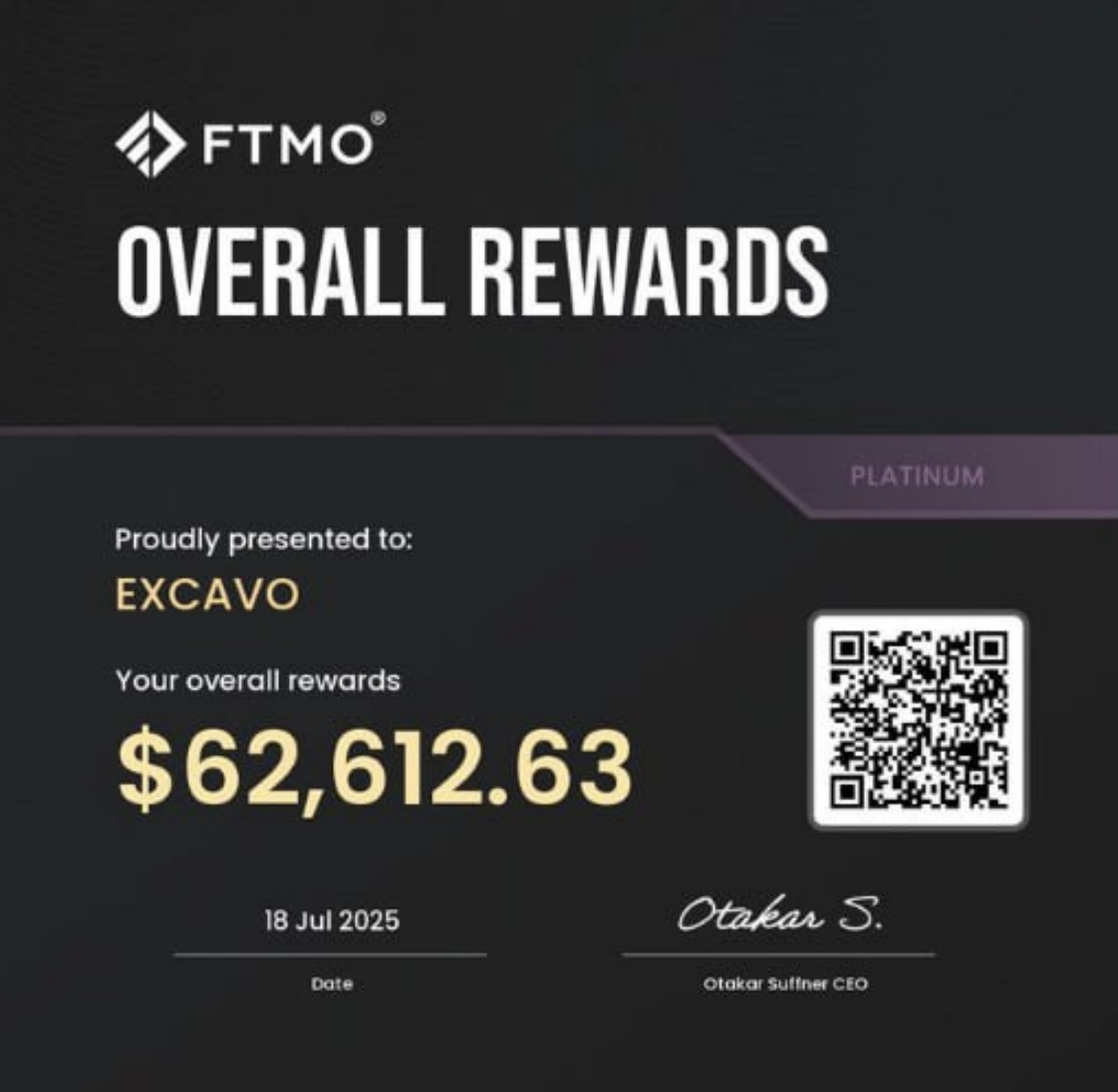
ICTC 2025 Bronze (WhiteBIT, 3rd of 8, May 9-10, 2025); FTMO verified rewards $62,612.63 (Jul 2025); TradingView leadership reported by Bitcoin.com (2018, 2020)
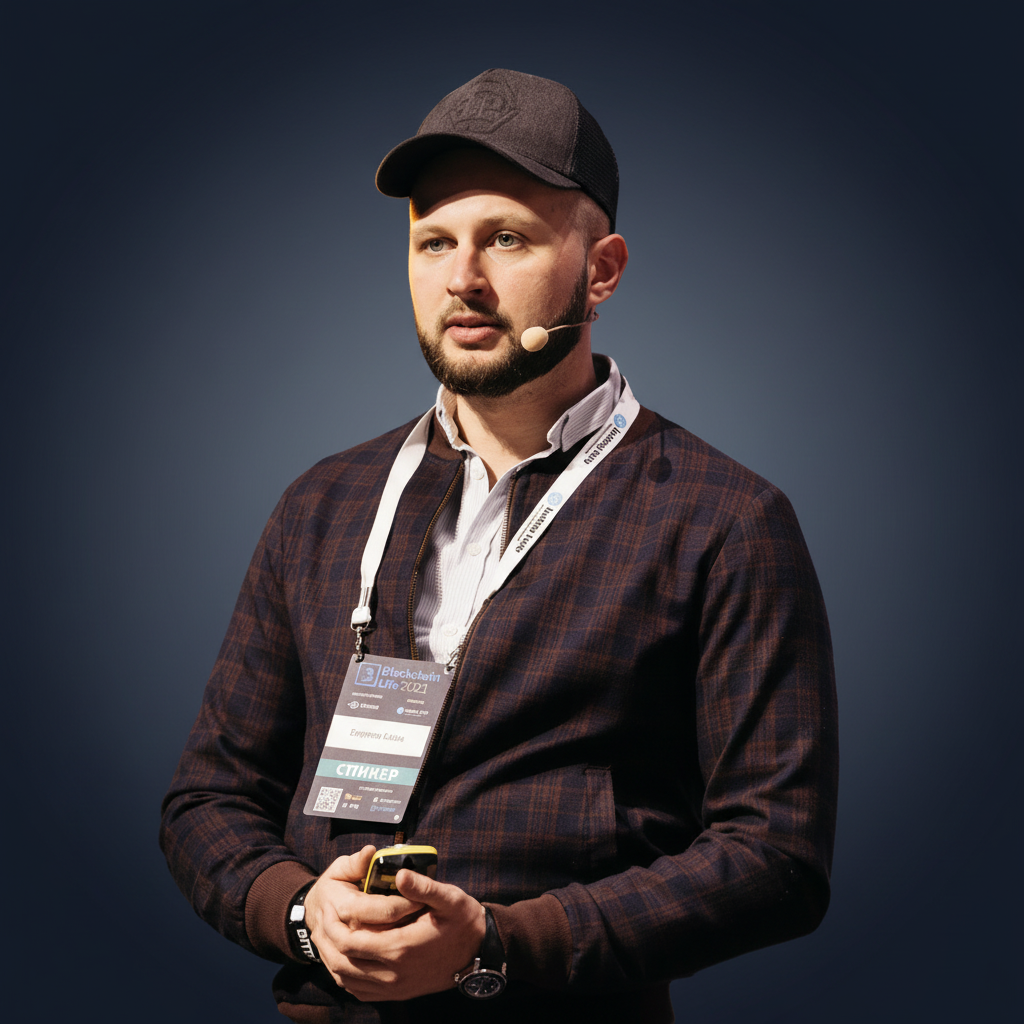
Eugene Loza
🇺🇦Ukraine· Singapore
"Great deeds require tireless persistence."
EXCAVO is the trading brand of Eugene Loza, a Ukrainian crypto trader and analyst. He studied civil engineering before realising it was not his path, and came to the markets in 2012 after a friend brought him to a conference at the InterContinental in Kyiv, where Wall Street veteran Bill Hubbard spoke. Hubbard's line about gold, that an ounce cost $15 when he started and $1,700 decades later, so over the long run it rises, left a lasting mark; years later, as a conference speaker himself, Loza would tell the same kind of story about Bitcoin. He founded EXCAVO in 2015.
He went on to build one of the largest TradingView followings in the world: 133K+ followers at a 4.8/5 rating, more than 2,110 published ideas and 32 scripts and indicators, publishing analysis almost daily in the early years. Named one of the top crypto traders by Bitcoin.com in 2018, an FTMO funded trader and a 2025 TradingView Wizard, he holds a Master's in International Economic Relations from Taras Shevchenko National University of Kyiv.
In May 2025 he took third place at the ICTC (WhiteBit), the first live-streamed crypto world championship, a result he documents as a verified fact. His public track record includes a roughly $300,000 position he held and documented end to end on his channel, and a six-figure night trading the COVID crash on market inefficiency. Today he is founder and CEO of Trading Tournaments, an aggregator of trading competitions, carrying the same principle he repeats to himself: cut losing positions fast, hold winners as long as possible, and an underdog's appetite for first place.
Interview
Who did you want to become before you knew trading existed?
As a kid, I wanted to be a builder. There was a Soviet cartoon I loved, Cipollino, and I adored the song at the end where they built a house together. Later, my parents ran a souvenir shop, and we had a night watchman. I genuinely wanted his job: he sleeps at night and the money keeps dripping in. And the third one: back then there were still payphone booths on the streets. Every time I saw people dropping coins in to make a call, I thought, I want to be a payphone. That was my childhood dream career path. In the end I went to study civil engineering, and realized it wasn't for me.
How did you get into trading: was there a specific day, moment or person after which everything turned toward the markets?
A childhood friend called me and said: "Come to this conference with me, there'll be some interesting things." It was in Kyiv, at the InterContinental hotel. The speaker was Bill Hubbard, a man who by then had been trading on Wall Street for 30 or 40 years. He made an enormous impression on me. I was almost intoxicated by it. I understood nothing, but it was fascinating. And of course, I saw the potential for serious money in it.
What brought you to your first trading conference? What did you hear there, and what did you leave with?
That was exactly it: that same conference. The thing I remember most: Bill Hubbard opened by asking the audience for questions. Someone from the front row shouted, "What about gold?" And he answered: "When I came to the market, one troy ounce of gold cost $15. Today it costs $1,700. So in the long run, gold goes up." Years later, when I became a speaker myself, mostly at crypto conferences, I told the same kind of story, only about Bitcoin.
If you could go back to yourself in your first year on the market, what would you tell him?
Save more. Invest in Bitcoin and never sell it in your life. And: keep going. Keep going. You'll make it. Study yourself, study the market, it's going to be a fascinating adventure.
Every great trader has an inner motto. Is there a phrase you've been repeating to yourself for years?
Evidence
Sources
- EXCAVO — TradingView profile (138K+ followers, 2,110+ ideas)
- Bitcoin.com — "2018's Most Popular Cryptocurrency Traders" (named TradingView's most-read BTC/USD strategist, ~70K followers, 1,227 ideas, 850K+ views)· press
- Bitcoin.com — "Calling Tops and Bottoms: 2020's Most Popular Traders" (98,891 followers, 1,647 ideas, top-6 all-time on TradingView)· press
- ICOholder — Eugene Loza (AKA Mr. EXCAVO): real name, Ukraine, Master's from Institute of International Relations, Kyiv Taras Shevchenko University, keynote speaker, ICO advisor· press
- Telegram — @excavonews (EXCAVO news channel)
- LinkedIn — Eugene Loza / EXCAVO
- Chainwire — official ICTC 2025 press release: EXCAVO takes bronze (rPNL 4,098.90 USDT), podium among 8 world-elite finalists; host Marc Principato singles out "Excavo's high-risk overnight positions that paid off significantly"
- Bitcoinist — WhiteBIT Crowns World's Top Crypto Trader in 1st Trading Cup (ICTC 2025 podium)· press
- Cryptopolitan — WhiteBIT crowns top trader of live International Crypto Trading Cup (finalists named)· official