
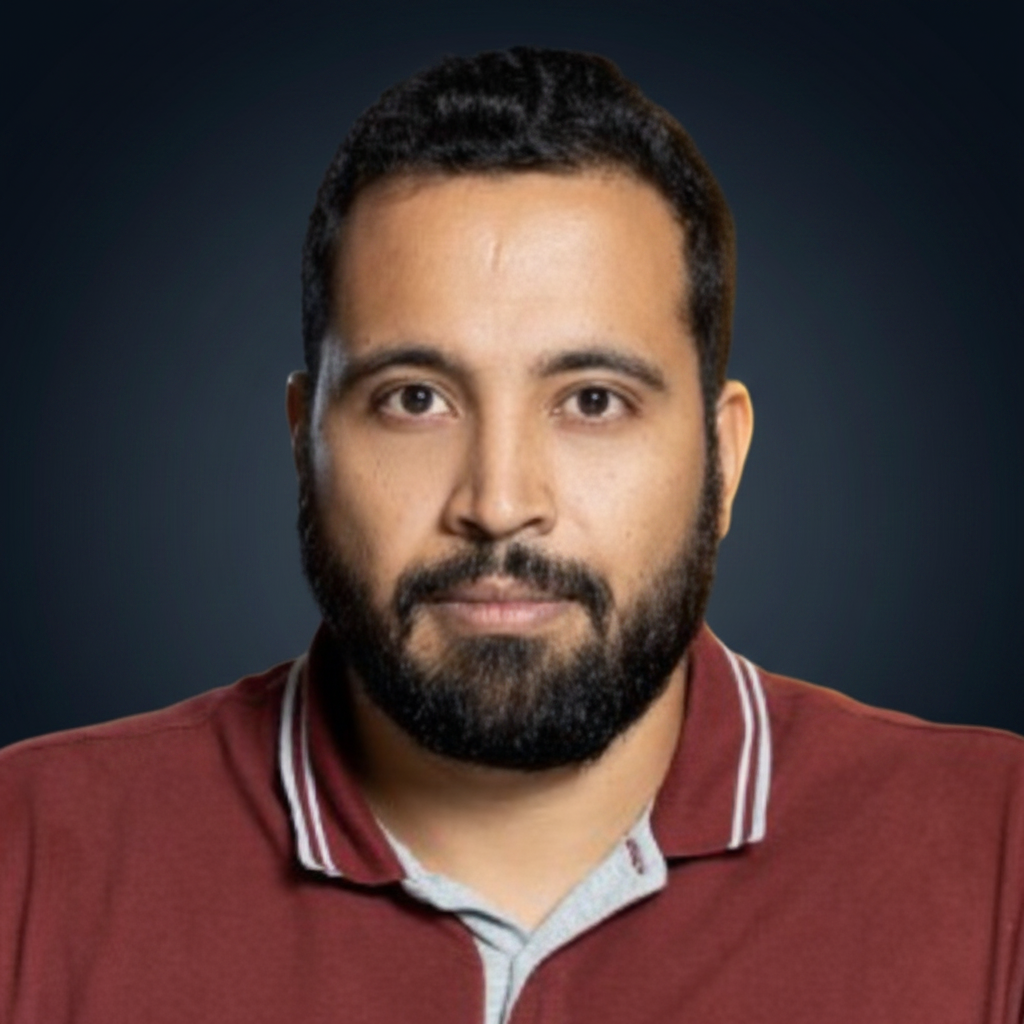
Mychel Mendes
🇧🇷Brazil· Lago Sul,
Sempre faça sua própria pesquisa antes de investir.
Mychel Mendes is the founder of Tokeniza, a Web3 infrastructure platform connecting real-world Brazilian assets, real estate, court-ordered payment credits, and agribusiness, to global markets on-chain. Alongside building Tokeniza, he runs a Portuguese-language YouTube channel with around 98,500 subscribers and more than 1,750 videos since 2017, focused on the practical side of being a Brazilian crypto investor: blockchain project deep dives, market commentary, and tutorials.
The channel's clearest differentiator is its recurring focus on Brazilian crypto income-tax compliance, including an annual Guia Imposto Cripto explainer that ships each tax season, a rarer angle than typical market-call content. He also hosts a dedicated talk-show format, Token Show com Mychel Mendes, bringing in expert guests for longer-form discussion. The editorial framing consistently emphasizes independent research and due diligence before investing, placing the brand in the responsible-educator camp rather than the high-leverage signal-caller camp.
Interview
How did Tokeniza come together, and what got you from ten years in accounting and fintech to building an RWA platform?
Tokeniza was born in November 2022, but the seed came earlier. I spent over 10 years in accounting and fintechs, and at Blue Consult, our crypto-specialized accounting firm, I saw both sides of the market. On one side, high-yield real assets like real estate, agribusiness and receivables, performing great but restricted to a small elite of investors. On the other, the average investor stuck in savings accounts and bank products that lose to inflation. I like to say the bank hands you the crumbs and keeps the picanha, our best cut of beef, for the few. When Brazil's securities regulator CVM created Resolution 88, we saw the path to fix this the right way: with regulation. We got our CVM authorization in May 2023, and today we have 130+ RWA operations, R$ 25 million raised and R$ 12 million paid back in dividends, with zero defaults.
Of the asset classes you tokenize, real estate, agribusiness, court-ordered credits, which is hardest to structure and why?
Court-ordered credits, no contest. Real estate has physical collateral and mature valuation. Agribusiness has a well-known production chain. A court-ordered credit is a claim against the government: the legal due diligence is heavy, the payment timeline is unpredictable, and pricing it fairly for the investor takes serious rigor. The lesson applies to everything: tokenization doesn't fix a bad asset. We've walked away from deals after due diligence found inflated valuations with no independent appraisal. The token is just the wrapper. The hard work is in the asset.
Could an RWA asset class work in a trading-tournament format?
I think so, but with a different format. RWA is not a day-trade asset, it's a fundamentals and yield asset. A "who flips faster" competition makes no sense with real estate or receivables. Now, an allocation competition, like who builds the best RWA portfolio on risk-adjusted return over months, would be excellent for the market. It would educate investors, give visibility to the secondary market and show that real, consistent yield beats speculation over the long run.

Do short-term trading competitions actually measure trading skill?
Being honest: in the short term, they mostly measure risk appetite and luck. Whoever wins a 30-day tournament is usually the one who leveraged up the most and got lucky in that window, not the best manager. Real skill shows over a long horizon and in risk-adjusted returns, including what you didn't lose in the bad months. As an engagement and education format, competitions have value. As a measure of competence, only if the design rewards consistency and risk management, not the isolated home run.
What kind of partners are you looking for as Tokeniza expands?
Three main profiles. First, distribution: fintechs, brokers and platforms with client bases in Europe and Asia that want to offer Brazilian tokenized fixed income, in the partnership model we're building. Second, institutional capital: we've already structured a R$ 500 million target over 36 months with Duna Capital, and we want more partners of that size. Third, institutional custody: we're in talks with traditional banks to act as custodians. With regulators it's not a partnership, it's collaboration: we hold a CVM license in Brazil and have a PSAV process underway at the Central Bank. We want to help build the rules, not go around them.
What's the most common red flag you see from people wanting to tokenize an asset?
Every week someone shows up wanting to "tokenize" something as a regulatory shortcut or a marketing play. Inflated valuation with no appraisal, an asset with legal problems wrapped in a token, projects that just want the stamp of a regulated platform to sell absurd return promises. We refuse all of them, and we've turned down big deals after due diligence. The problem is always the same: they want to use the technology to hide the fundamentals, when it exists to do the opposite, to bring transparency. Our zero-default track record exists precisely because of the "nos" we said.
What's Tokeniza's business model, where does the revenue actually come from?
Today, in structuring: structuring fees on the offering, success fee on the raise and a recurring management fee. That's how we generate revenue now. But the real money, looking ahead, is in recurrence and scale: management fees on a large base of assets under management and a secondary market running with real volume. Whoever just charges to mint tokens will become a commodity. Whoever builds distribution, licenses and trust keeps the best part of the chain.
What's the next asset class you want to bring on-chain?
Renewable energy and carbon credits. Brazil is a powerhouse in solar, wind and biofuel. These are assets with predictable cash generation and long contracts, perfect for tokenization, and European investors have a huge appetite for green assets. It connects directly with our expansion into Europe: Brazilian yield with a sustainability stamp for the investor over there.
If you could change one regulation to help the RWA market grow, what would it be?
Expand the limits of CVM Resolution 88: a higher fundraising cap per offering and access for larger companies, while keeping investor protection. The model has proven it works, we're living proof, but the current cap limits the size of the projects we can serve. Second, calibrate the capital requirements of the Central Bank's PSAV regulation, which today create an entry barrier that favors only the big banks. Europe already signaled the way by raising the prospectus exemption to 12 million euros. Brazil can lead this, not follow.
What's the moment in this work that still gets you excited?
Dividend payment day. Watching an investor who started with R$ 100 receiving yield from a property or an agribusiness deal that used to be millionaires-only, that never gets old. We've distributed more than R$ 12 million that way. And right now I'm really enjoying the international expansion: opening a new market from scratch, explaining Brazil to the European investor. It's the pure entrepreneurial side of the business.
Outside of work, what do you do to unwind?
Traveling and being close to my family. That's it, and that's plenty.