
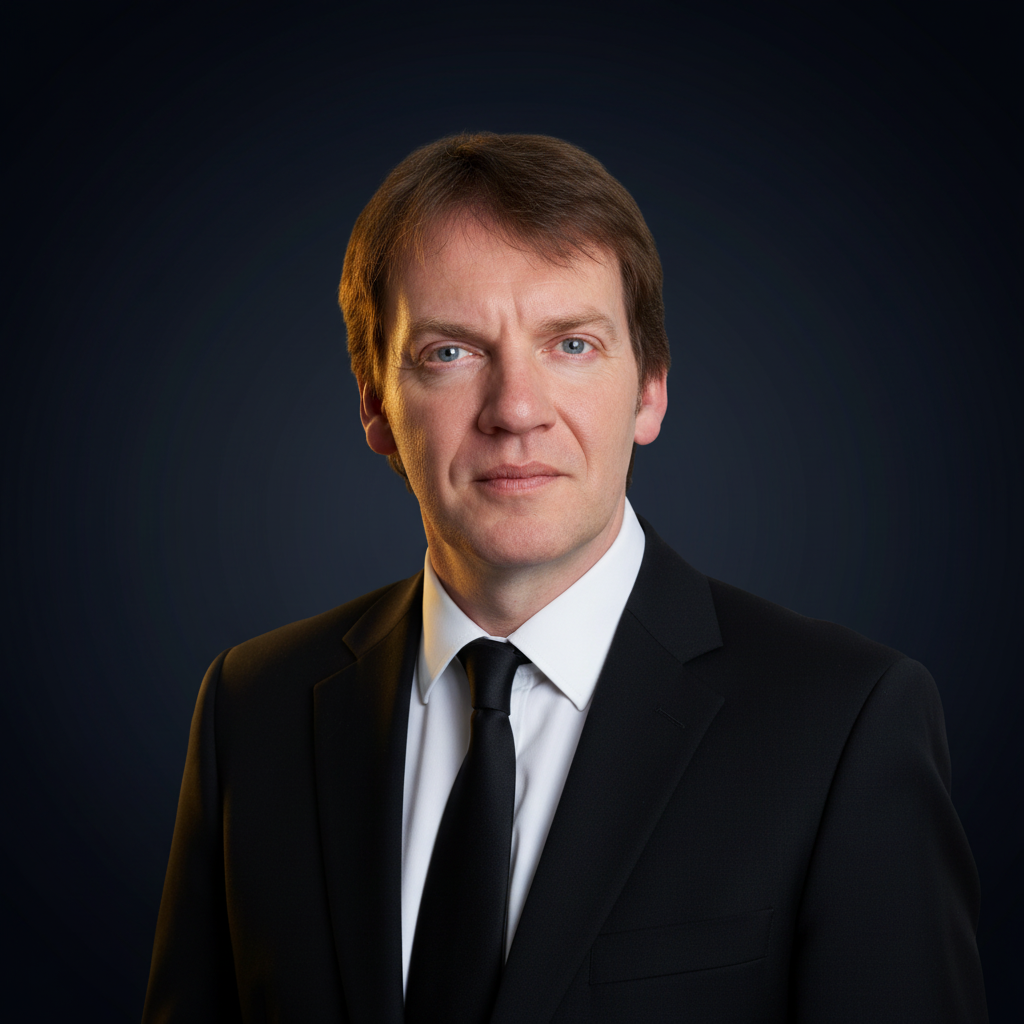
Tim Rayment
🇬🇧United Kingdom· London
The British journalist who won the inaugural WCTC Forex Championship in 2004, then won it again in 2009 with a self-built Volume Spread Analysis + DeMark system.
Rayment is the original WCTC Forex Champion: Robbins launched the Forex division in 2004 and he won the inaugural year with a 62.5% return, then came back for 3rd place in 2007 and a second title in 2009 at 44.4%. The two championship-winning accounts are unusually low-volatility for WCTC top results, reflecting his daily-chart anchoring rather than the intraday scalping that produces the higher-percentage Forex returns of the 2020s. He trades 15 currency pairs, holds for one to three days, and runs the book solitary: no team, no signals service, no commercial education product.
Before trading he was an award-winning British journalist: the youngest reporter The Sunday Times ever hired at twenty-four, and British Press Awards Feature Writer of the Year in 2001. His trading education is equally cinematic. In 1998 he persuaded Tom Williams, creator of Volume Spread Analysis, to sell him his software for £5,000 in installments, then spent nine years on an isolated Yorkshire farm studying Tom DeMark's methodology, only later learning the farmhouse had belonged to the eighteenth-century "King of the Coiners", executed for debasing England's currency. His method combines VSA, derived from Wyckoff and Williams, with DeMark's exhaustion indicators.
For trading-tournaments.com his profile matters on three counts: the 2004 win is the founding result of the WCTC Forex Championship, his methodology is one of the cleanest documented VSA applications in championship history, and the absence of any commercial education business makes him a credible pure-trader case study. Profiled in SFO magazine's "The Solitary Trader", he works alone in a converted mill where, in his words, the most important room is the one with ten screens in it.