
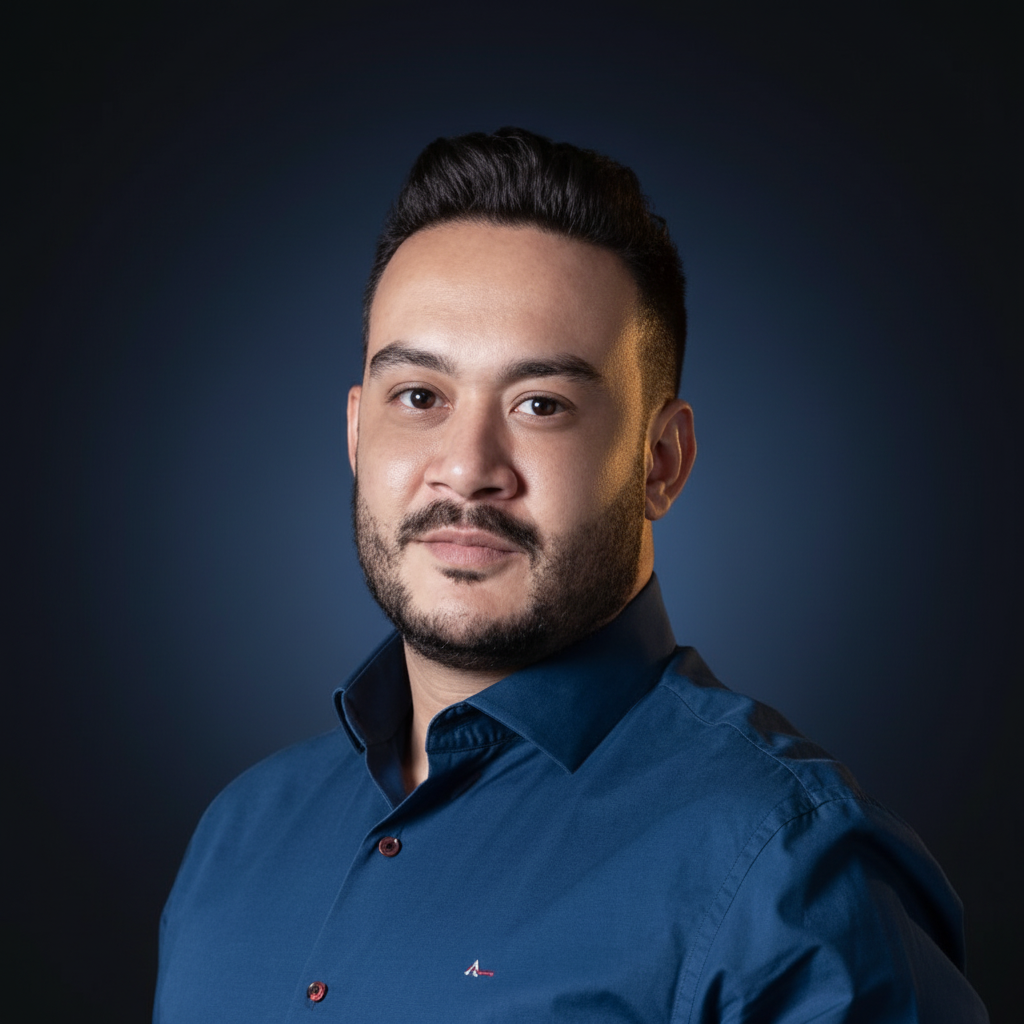
Thiago BritoVerified
Auctus Capital monthly trading tournament winner, July 2014 (InfoMoney report)
🇧🇷Brazil· Belo Horizonte
Whoever manages to make money trading the Brazilian market is ready to make money in any other market.
Thiago Brito is a Brazilian trader and private fund manager from Belo Horizonte with 18 years in the markets. He started investing right at the peak of the 2008 crisis, and in 2011 a single leveraged bet wiped out his account and left him in debt to his broker. That loss became the turning point: he stopped, studied how prices actually move, and rebuilt his trading around risk management and process instead of chart patterns.
In July 2014 he won the monthly trading tournament of Brazilian prop firm Auctus Capital, a three-day stock trading challenge run on InfoMoney's Meivox simulator. He made 57 trades and finished with R$14,324 in profit, ahead of the runner-up's R$12,842, earning an invitation to join the firm with R$300,000 in trading capital. The win was covered by InfoMoney and led to education roles at the brokers Rico and Clear, where he became known for teaching risk management to Brazilian retail traders. For the past 10 years he has managed money for clients, today running a private Friends & Family fund through Interactive Brokers and an open PAMM fund at BlackBull Markets, where he also works as a Business Development Manager.
Thiago is the founder of Treidou, a platform with content and tools for traders, including his own MT5 backoffice and a market alert system that scans more than 2,000 assets. He is also an outspoken critic of how trading competitions are run today, arguing for longer formats, strict risk limits, and scoring that separates skill from luck.
Interview
You have 18 years in the market. How did it all start in Belo Horizonte, and what was your first big turning point?
Since my teenage years I've been passionate about the market. I started investing in stocks for the long term with the little that was left of my salary and without any knowledge. But my start was dramatic: right after I began, the 2008 global crisis hit, and I started contributing exactly at the peak of the crisis. Everything I put in, hoping for the "long term", evaporated by 90%. Later, with a better job and bigger contributions, I managed to get great returns in the 2009 recovery, building a habit of accumulating investments.
The big turning point came in 2012, after I blew up my account in 2011 with a bad investment and bad decisions, as I explain below. So I decided to stop and study the financial market and how prices actually move. I focused on the basic essence of how the market works, which helped me a lot to have a view detached from simple charts. I can say the loss made me stop and understand that everything was wrong: I was trying to do something I had no knowledge of, and I needed to improve that.
Sometimes we need these events to correct our path, and it worked out very well for me. As I said, I've always been an enthusiast of management models that generate positive cash flow, so I applied those models to my trading decisions, focusing on the collective process instead of the single trade, as most people do.
You've worked as a private manager for 10 years. How did you win the first client who trusted you with their money?
Since people knew I traded, it was common for them to offer some amount to invest along with what I was already doing. And because I really like risk management and stayed very faithful to it, there was trust that everything wouldn't be lost in a month, for example.
So back then, the first to contribute was my brother and then a friend, and we split the results 50/50. I think it's the natural process: before other people know your work, it's normal for those closest to you to be interested, then they tell others, who in turn tell others, and the process gains momentum.
If you started from scratch today with $1,000, what would you do differently?
First of all, I would never start trading with a very small amount. I would only invest it to accumulate more capital. The biggest problem with starting with such low amounts is the lack of operational flexibility and the high risk to capital it creates. Someone starting with low capital, to get a meaningful financial result in day trading, has to take very high risks that cause their accounts to blow up constantly (they put in a thousand dollars, blow it, put in another thousand, and so on). And if they trade with proper risk management, the return isn't worth the time invested. Let me explain.